When the Pavements Turn Grim: A Room-by-Room Winter Carpet Plan
A British winter is a carpet test
By November, the pavements have that dark, salty sheen and every dog walk seems to end with a small tide of grit at the front door. Carpets do not fail dramatically in winter. They quietly get damp, grubby and matted in the places you notice last. The good news is that most winter carpet damage is preventable with a few boring habits and a bit of room-by-room thinking.
Front door: stop the grit at the threshold
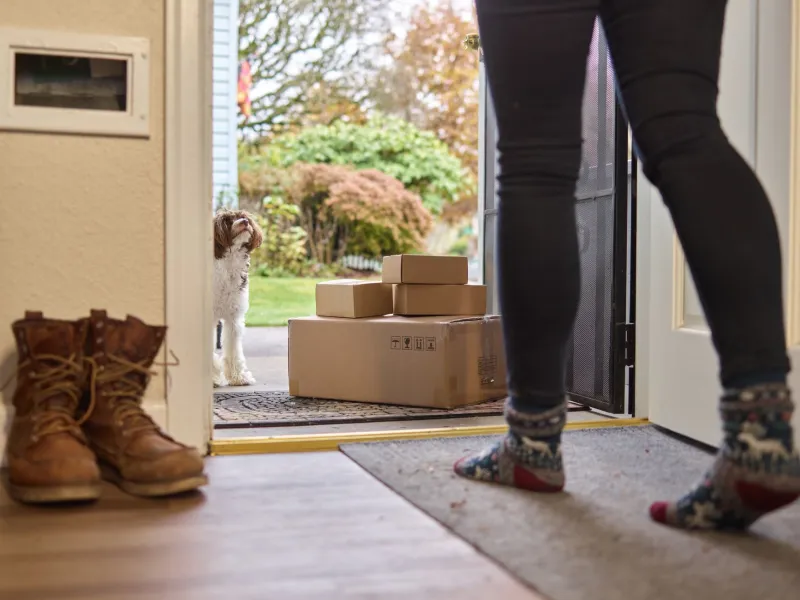
The entrance is where winter does its worst. Grit, salt, mud and water all arrive together, then get walked into the pile. Use two mats if you can: a scraper mat outside and an absorbent one inside. Leave wet boots on a tray rather than on the carpet, and wash mats regularly — a dirty mat just moves muck around.
If salt or grit does dry on the carpet, vacuum it first, then blot any damp patch with a clean cloth and a little mild detergent solution. Do not scrub hard. Rubbing drives grit into the backing and can distort the pile. One local fitting job we saw involved a hallway in a terraced house where the carpet looked fine on top but felt gritty underneath; the salt had worked into the backing over a whole winter and the carpet had to be replaced. A decent mat would have cost far less.
Hallways and stairs: the commuter gauntlet
Hallways and stairs take more traffic than any other part of the home, and in winter they are usually the dampest. A washable runner can protect a carpet in a high-traffic strip, and it is especially useful for renters who cannot change the flooring. Vacuum little and often rather than waiting for the weekend, because grit acts like sandpaper underfoot.
Stairs deserve a quick check too. Wet coats, bags and umbrellas get dumped at the bottom, and condensation from a cold wall can creep into the edge of the carpet. Keep the area ventilated where you can and deal with spots promptly rather than letting them dry into a mark.
Living rooms and bay windows: condensation season
Condensation is the quiet troublemaker. It collects on cold glass, runs down window reveals and can leave the carpet edge near a bay window feeling clammy. If curtains are closed all day and the room is not ventilated, that damp has nowhere to go. Wipe condensation from glass when you see it, open a window briefly when the weather allows and keep furniture slightly away from cold external walls.
We once saw a flat with a lovely bay window where condensation had been dripping behind a curtain for weeks. The carpet edge smelled musty and the backing had started to break down. A dehumidifier and a bit of daily ventilation would have prevented it. If a patch does get wet, dry it thoroughly with a fan and keep the room ventilated rather than just turning the heating up.
Bedrooms: the radiator drying myth
Draping wet washing over a radiator feels efficient, but it puts moisture straight back into the air. In a bedroom with the door shut, that can lead to condensation on windows and damp patches near the carpet edge. Use a vented dryer if you have one, or dry clothes in a bathroom with the extractor fan on. If you must dry indoors, ventilate the room and do not leave wet towels or clothes resting on the carpet.
If a bedroom carpet does get damp, do not ignore it. Lift any furniture off the wet patch, blot what you can and run a dehumidifier. Heat alone is not always enough, and trapped moisture can lead to mould and a musty smell that lingers.
Pets: accidents happen, but heat makes them worse
Winter means more time indoors for pets, and that means more chances for accidents. Blot up as much as possible with a clean cloth, use a pet-safe enzyme cleaner according to the instructions and avoid hot water or steam on protein-based stains, as heat can set them. Do not scrub vigorously; gentle blotting is kinder to the pile.
A puppy in a local home taught us this one the hard way. A wool carpet was scrubbed with hot water and household cleaner, and the stain set while the pile went fuzzy in the middle of the room. Cold water, blotting and a proper enzyme product would have been far safer. Renters should tell their landlord promptly and keep a note of what was used, as it can help if a deposit dispute arises later.
Safe stain removal basics
Scrape up solids gently, blot liquids and always test any cleaning product on a hidden patch first. Use cool or lukewarm water with a mild detergent, work from the outside of the stain inwards and blot rather than rub. Avoid bleach on wool and be cautious with vinegar or baking soda mixtures unless you know the carpet fibre. If a stain is large, old or unusual, call a professional rather than experimenting.
Kitchens and bathrooms: keep the wet where it belongs
If you have carpet in a kitchen or bathroom, winter makes it harder to keep dry. Use a machine-washable mat at the sink or bath, fix drips quickly and run the extractor fan during and after cooking or showering. Check under plants and by external doors for hidden damp. A small leak that goes unnoticed for a week can do more damage than a whole muddy season.
A small winter routine that actually works
Vacuum busy rooms twice a week if you can, wash doormats before they become muddy, wipe condensation when it appears and keep a stack of old towels for emergencies. Shoes off at the door is not fussy — it is one of the cheapest carpet protections going. And if you are having new flooring fitted this winter, ask your fitter about door clearances, ventilation and how to dry the room out afterwards. At Richard Jones Carpets, we would rather answer those questions before fitting day than after the first muddy weekend.