Does It Need a Wash or a Wake? A Quick Carpet MOT for Busy Homes
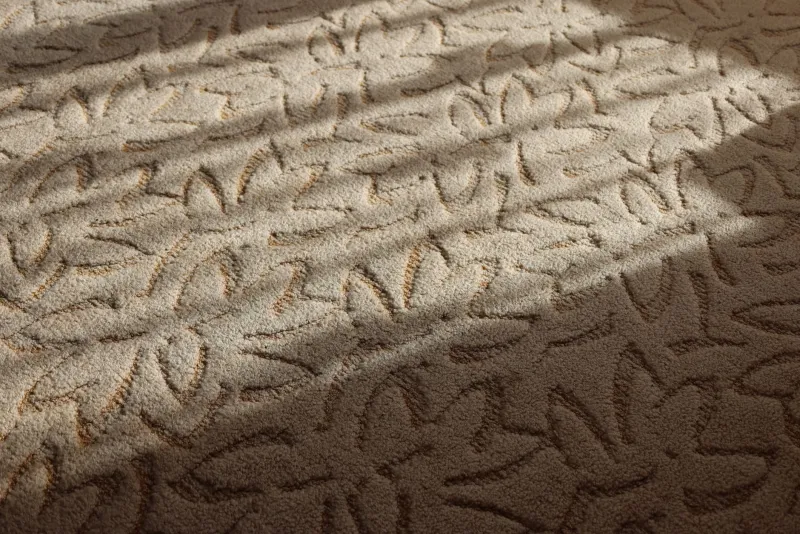
It is easy to fall into one of two camps with carpet. Either you convince yourself the whole house needs ripping out because the landing looks a bit flat, or you ignore a worn patch until it turns into a trip hazard. The truth is usually somewhere in the middle, and a quick room-by-room audit can save you a lot of money and hassle.
You do not need a clipboard or a moisture meter. A phone torch, a fresh eye and five minutes per room will do. Here is how we talk customers through it when they ask whether their carpet is simply tired, genuinely dirty, or ready for retirement.
Start at the doorway, not the middle
Stand in the doorway and look across the room with the light behind you. The middle of a carpet often looks fine because it is not walked on as much. The doorway is where the story starts: flattened pile, dark grey tracking, and a slight dip where feet turn. If the doorway looks tired but the rest of the room has bounce, you are probably dealing with local wear rather than a failed carpet.
Follow the traffic lanes
Every home has them. In a living room it is the path from the door to the sofa; in a bedroom it is the route from the bed to the wardrobe; in a hallway it is the whole blessed floor. Look for lanes where the pile has crushed and the colour has dulled. Rub the area with your hand. If the fibres feel rough and gritty, it needs a proper deep clean. If they feel flat and hard, the pile may have lost its resilience.
A good test is the footprint test. Walk across the carpet in clean socks, then look back. Footprints that vanish within a minute or two suggest healthy pile. Prints that linger like tyre tracks in mud suggest compaction. That does not automatically mean replacement, but it does mean the carpet is working harder than it should.
Get down to backing level
This is the bit people skip. Lift a corner or use a spare offcut if you have one. Check the backing. A backing that crumbles, cracks or feels brittle is a warning sign, especially in older carpet. If the backing is sound but the surface is matted, cleaning and a good vacuum routine may bring it back. If the backing is perished, no amount of cleaning will fix it.
While you are down there, look at the underlay. If it has gone flat as a pancake, replacement carpet will never feel as good as it should. Underlay is the unsung hero of a comfortable floor, and old underlay can make a decent carpet feel thin and cheap.
Check the edges and the daylight creep
Walk the perimeter of the room. Look for gaps between the carpet and the skirting, loose edges, or ripples that appear when you run your hand along the wall. In older homes, gripper rods can work loose and the carpet can spring back. In newer builds, shrinkage around doorways is common. Small repairs are often straightforward, but they need doing before someone catches a toe.
Daylight creep is the term we use for that thin line of light you see under a door or along a skirting board where the carpet has pulled away. It is not just a cosmetic issue. It lets draughts in, traps grit and makes the edge wear faster.
Use your nose and your knees
Smell is underrated. A musty carpet in a well-ventilated room can point to damp, old underlay or years of trapped moisture. If the smell disappears after a deep clean and a good airing, fine. If it comes back, investigate before spending money on new carpet.
Kneel on the carpet and press down with the flat of your hand. Does it spring back? Does it feel crunchy? Crunch usually means grit trapped in the pile, which acts like sandpaper on the fibres. A thorough vacuum and professional clean can help, but if the crunch has been there for years, the damage may already be done.
Clean, repair or replace?
If the pile is dirty but resilient, the backing is sound and the edges are tight, start with a deep clean and a better vacuum routine. If the carpet is sound but has a rip, a loose edge or a burn mark, a repair is often money well spent. If the backing is failing, the underlay is flat, and the traffic lanes are bald, replacement is the sensible answer.
The trick is not to let a small problem become a big one. A carpet that is cleaned regularly and vacuumed properly will last far longer than one that is left to gather grit. Equally, do not replace a perfectly good carpet just because it has a flat patch by the sofa. A bit of diagnosis goes a long way.
A quick word on room-by-room priorities
In a hall, stairs and landing, wear shows up first because that is where the whole household walks. In a bedroom, check around the bed and the door. In a living room, look at the sofa and TV route. In a dining room, check under the table for chair leg marks. In a rental, check the edges and the backing before you assume the worst.
Five minutes per room is enough to build an honest picture. If you are unsure, take a photo in daylight and ask someone who fits carpets for a living. Most of us would rather tell you to clean what you have than sell you something you do not need.