A Steady Surface: Carpet Choices for Homes Where Wheels and Feet Share the Floor
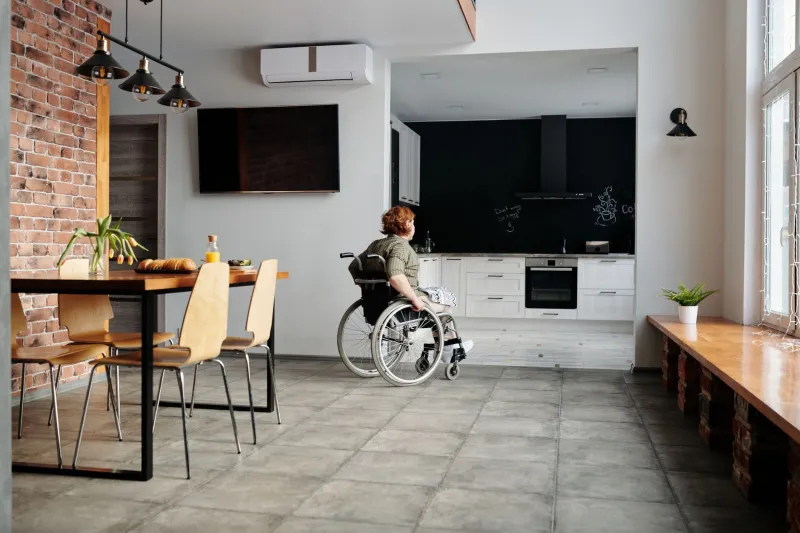
When a wheelchair, walking frame or wheeled trolley is part of the household, the floor stops being background. It becomes part of the route. A carpet that feels lovely under a bare foot can feel like hard work under a small wheel, and a floor that is brilliantly practical can end up feeling more like a surgery corridor than a home. The trick is finding the middle ground: a surface that supports movement, welcomes feet and still feels warm and lived-in.
This is not about choosing a clinical floor. It is about choosing a carpet that cooperates. The right combination of pile, underlay, backing and fitting can make a real difference to how confident someone feels moving through a room, whether they are walking with a frame, pushing a trolley or steering a wheelchair.
Start with the wheels, not the wool
It helps to think about what is actually crossing the carpet. Walking frames have small, often plastic feet or little wheels. Wheelchairs have casters that can be surprisingly sensitive to soft ground. Trolleys and wheeled commodes add weight and direction changes. Even a shopping trolley or a laundry trolley can reveal whether a carpet is going to be a friend or a nuisance.
Soft, deep piles are the usual culprit. They look generous, but small wheels sink into them and create resistance. A low, dense pile gives a much more predictable surface. It is not about stripping comfort out of the room. It is about making sure the carpet does not swallow the wheels and turn a simple trip to the kitchen into a workout.
Short pile, tight twist, fewer snags
For most homes where mobility aids are used, a low to medium pile carpet with a tight twist is a sensible starting point. Cut pile is generally more forgiving than loop pile because there are fewer loops for a caster or frame foot to catch. That said, a well-made tight loop can work in some spaces, particularly where the carpet is not in the main wheel route. The key is to avoid anything loose, long or shaggy.
Wool is still a brilliant choice where the budget allows. It is durable, naturally resilient and warm underfoot. A wool blend can offer much of that character with a bit more stain resistance and a friendlier price. Man-made fibres can also perform well, especially in busy hallways, but check the density rather than just the label. A dense, short carpet will usually cope better with repeated traffic and turning wheels than a fluffy one with a grand name.
Underlay: firm enough to support, soft enough to live on
The underlay is the quiet hero here. Too soft, and the carpet sinks under wheels, making movement harder and putting strain on seams. Too hard, and the room loses the comfort that made carpet appealing in the first place. A dense felt or rubber-crumb underlay is often the better compromise for mobility routes. It supports the carpet, keeps it stable and still takes the edge off footsteps.
Thick, spongy foam underlay is usually best avoided in these areas. It feels luxurious for a moment, but it can compress unevenly and make a low-pile carpet feel less secure. If in doubt, ask your fitter to match the underlay to the carpet and the way the room is used. A firm underlay under a cheap carpet is not a magic fix, but the right pairing makes a noticeable difference.
Backing and grip: the bit you never see
A sensible secondary backing helps the carpet hold its shape. Action backing can be useful in busy homes, but the real priority is a backing that sits flat and does not slide or ripple. The carpet should be properly stretched and secured onto gripper rods, not left loose enough to bunch up in front of a wheelchair.
Do not overlook the surface underneath. If you are fitting carpet over a smooth subfloor, the underlay needs to grip rather than skate. If there is any movement or springiness in the floor, deal with that before the carpet goes down. A carpet can only be as stable as the layers beneath it.
Transitions and thresholds: keep the path clear
One of the most common trip points in any home is the place where one floor meets another. A raised threshold bar or a chunky trim can be a real obstacle for a walking frame or a wheelchair caster. Where possible, choose flat transition strips or slim ramp trims that create a gentle change in level rather than a lip.
This matters at bedroom doors, bathroom thresholds and the join between carpet and hard flooring. If the carpet is thicker than the adjoining floor, a suitable trim can bridge the gap neatly. If there is already a noticeable step, mention it before fitting day so the fitter can recommend the right profile. It is a small detail with a big effect on daily confidence.
Fitting details that stop a carpet becoming a drag
A good fit is not just about looking tidy. It is about making sure the carpet stays flat. Ask for proper stretching rather than a quick tug and tuck. Loose carpet can ruck up in front of a wheelchair or catch under a frame, and that is exactly the sort of hazard you want to avoid.
Edges need to be secure, seams need to be tight and any radiator pipes or door thresholds need to be handled neatly. If the room has a lot of turning space, think about how the carpet will behave under repeated changes of direction. A fitted carpet that is slightly too soft or too loosely laid will show the strain sooner.
Comfort still counts
It would be easy to make this sound like a checklist for a hospital corridor. It is not. Carpet still brings warmth, quiet and softness to a home, and those things matter just as much when someone is using a mobility aid. A low-pile wool blend in a warm neutral, or a subtle tweed with a bit of texture, can look welcoming without being fussy.
Colour and pattern can also help. A gentle mottle or fleck hides the marks that wheels and feet leave behind, so the room feels cared for rather than constantly on show. The aim is a floor that supports movement quietly, not one that announces itself as a safety measure.
A quick checklist before you commit
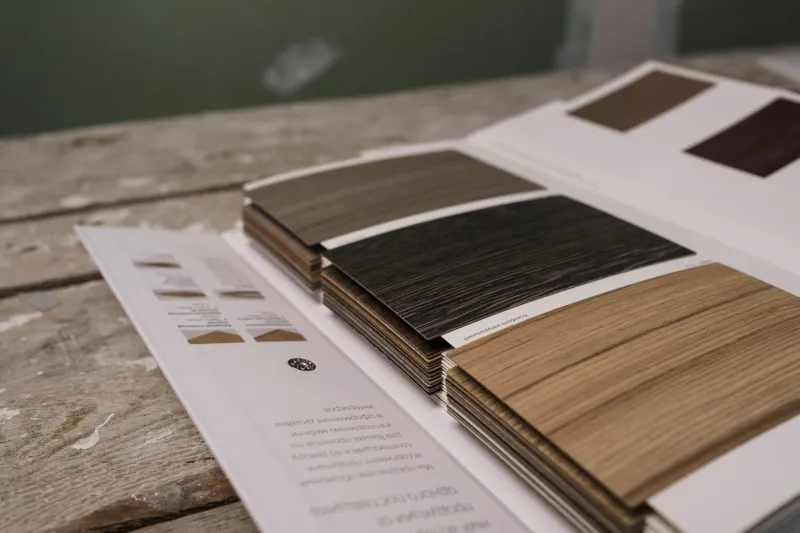
Take a sample home and, if you can, run a wheel or a frame foot across it. Ask about pile height, density and underlay type. Check the door clearances and the transitions. Talk to your fitter about how the room is used and where the main routes are. And do not be shy about saying that a wheelchair or walking frame will be on the carpet every day. That is exactly the sort of detail a good flooring conversation should include.
The best carpet for a home with mobility aids is not the softest or the cheapest or the most clinical. It is the one that gives a steady surface, a bit of comfort and enough grip to make the room feel like a place to live rather than a route to negotiate.