Sun Trap or Ice Box: Choosing Carpet for a British Conservatory
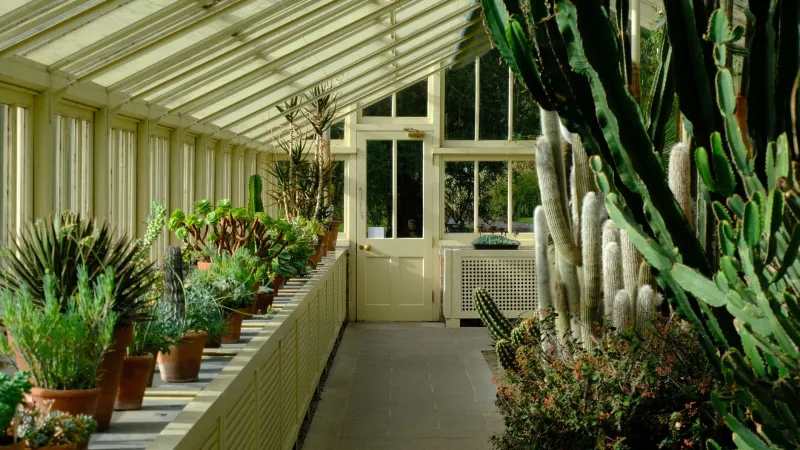
Conservatories are the rooms that never quite agree with the rest of the house. On a bright July afternoon they can feel like a greenhouse; by January they can be chilly enough to make you question the double glazing. So when someone walks into our showroom and asks whether they can put carpet in theirs, the honest answer is: yes, but only if you choose for the room you actually have, not the one you wish you had.
That distinction matters more in 2026 than ever. With more of us using conservatories as home offices, playrooms and year-round sitting rooms, the floor has to cope with UV, condensation and door thresholds as well as feet. Here is the practical version, without the sales patter.
Start by admitting the room is a drama queen
A conservatory has more glass, less insulation and bigger temperature swings than a normal living room. That affects carpet in three ways. First, sunlight fades dyes. Second, heat can dry out and degrade backing layers. Third, condensation can find its way into underlay and cause that unmistakable damp-carpet smell. If your conservatory regularly has water running down the glass or misted windows in the morning, fix the ventilation first. Carpet is not a solution for a damp room; it is a sponge with a nice surface.
What actually fails in a conservatory
UV fading
Direct sun is the quiet killer. Surface-dyed carpet can lose colour in patches, especially near the glass. Solution-dyed fibres hold their colour far better because the pigment runs right through the yarn rather than sitting on the outside. If your conservatory gets hours of direct sun, this is not a detail to skip.
Heat and backing
A room that hits 35°C in summer and drops to single figures in winter puts stress on backing layers and adhesives. Cheap carpet with a flimsy secondary backing can delaminate or go brittle. Look for a well-made carpet with a stable backing, and do not pair it with an underlay that traps heat or crumbles.
Condensation
This is the one people underestimate. Moisture gets into underlay, then into the carpet backing, and before long you have a smell that no amount of vacuuming shifts. A synthetic foam underlay is usually a safer bet than a jute-backed or recycled textile underlay in a room with big temperature swings. It copes with humidity better and does not hold moisture in the same way. If condensation is a recurring problem, a hard floor with a washable rug is the more sensible long-term answer.
Door thresholds
Conservatory doors and patio doors often have shallow clearance. A thick carpet plus a generous underlay can mean the door drags, or the threshold bar sits proud. Measure the gap before you fall in love with a deep pile. A low-profile carpet and a sensible underlay can save you a lot of swearing.
Fibres: the honest shortlist
Solution-dyed polypropylene is the default sensible choice. The colour goes right through the fibre, so it resists fading better than surface-dyed alternatives, and it can be cleaned with a dilute bleach solution if something dreadful happens. It is not as soft as wool underfoot, but in a sunroom that is often the trade worth making.
Nylon is tough and resilient, and it feels better underfoot than polypropylene. It can still fade in strong sun, so check the manufacturer's UV rating rather than assuming all nylon is equal.
Wool is beautiful and naturally forgiving, but strong sun and humid air are not its best friends. If you have blinds, consistent heating and no condensation, a wool twist can work. If not, be cautious. Wool is a pleasure in a shaded lounge; it is a gamble in a glass box.
Viscose and deep shag piles are lovely in the right room. A conservatory is not the right room.
Carpet tiles: the middle ground
Loosely laid carpet tiles are a clever compromise. You can lift a faded or stained tile, replace it, and leave the rest. They are also easier to dry out if there is a leak. The trade-off is a slightly more commercial look and visible seams. For a conservatory used by children, plants and muddy boots, that trade is often worth it.
A simple decision checklist
Ask yourself these questions before you commit:
- Does the room get direct sun for more than a couple of hours a day?
- Do you have blinds, shutters or solar film?
- Is there condensation on the glass in winter?
- Is the conservatory heated all year round?
- Will the doors clear a carpet and underlay without dragging?
- Are there pets, plants or paddling pools in regular use?
- How long do you plan to stay in the house?
If you answer yes to direct sun, no to blinds, and yes to condensation, wall-to-wall carpet is fighting a losing battle. Carpet tiles or a hard floor with a rug are the more honest choices.
When a hard floor is the smarter buy
If the doors barely clear a pound coin, the glass streams with condensation every January, and the room is used for watering cans and wet wellies, a hard floor with a washable rug is the grown-up choice. Carpet tiles would be second. Wall-to-wall carpet would be third, and only with your eyes open.
A conservatory can absolutely take carpet. It just needs the right carpet, the right underlay and a realistic owner. If you are unsure, bring us a photo of the room and the door threshold. We would rather sell you the floor that works than the one you have to replace in three years.