Carpet, Coughs and the Great Indoors: A Calm Guide to Allergies at Home
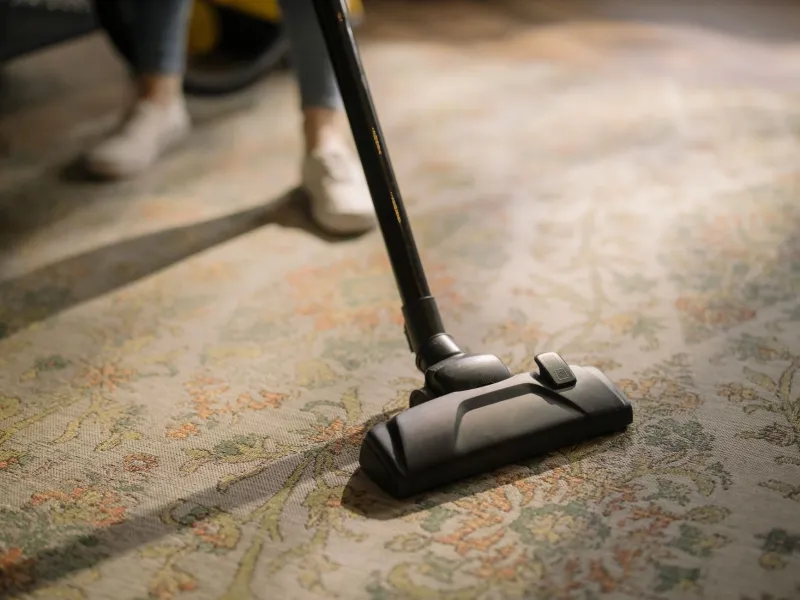
Carpet gets a rough ride in conversations about allergies. One person says it traps dust and must go; another says a good carpet actually keeps dust out of the air. Both contain a grain of truth, which is not much help when you are standing in a showroom wondering whether a new bedroom carpet will make life easier or simply give you something else to worry about.
The sensible answer sits somewhere in the middle. Carpet is not inherently bad for allergy-prone homes, but it does ask for a bit more thought and a reasonable cleaning routine. Here at Richard Jones Carpets, we would rather help you choose well and look after it properly than pretend a label on a sample can solve everything.
First, the myth that needs a quiet word
The old idea that carpet is a dust trap and hard flooring is always cleaner is too simple. Hard floors do not magically remove dust; they simply leave it sitting on the surface where it can be stirred back into the air when someone walks through. Carpet, particularly a good dense one, can hold dust and particles in the pile until they are vacuumed away. That can be helpful in the short term, but only if the vacuuming actually happens.
So the question is not really “carpet or no carpet?” It is “what kind of carpet, in which room, and with what upkeep?” A busy hallway and a spare bedroom do not need the same answer. Neither does a household with mild seasonal sniffles and one with a diagnosed dust mite allergy.
What dust mites actually want
Dust mites are small creatures with simple tastes: warmth, moisture and a supply of shed skin. They are not attracted to carpet as such. They are attracted to soft furnishings, bedding, mattresses and any textile that holds a little humidity. Carpets can be part of that picture, but so can curtains, cushions and the sofa.
That is why humidity matters. Mites struggle when indoor air is drier, and they thrive in damp, poorly ventilated rooms. British homes can be very good at holding moisture in: drying washing indoors, steamy bathrooms, closed windows and mild, damp weather all contribute. If you can keep indoor humidity roughly in the 40–60% range and ventilate daily, you are already doing more than any anti-allergy carpet label will do for you.
Wool, synthetic, or something in between
Wool has a natural ability to absorb and release moisture, which helps it feel comfortable underfoot and can buffer sudden changes in humidity. It is also durable and ages well. But wool is not magic, and no fibre is mite-proof. A wool carpet still needs vacuuming and occasional professional cleaning.
Synthetics such as polypropylene and nylon are practical, hard-wearing and often easier on the budget. They can be cleaned well and are a sensible choice in busy family rooms. Some people find certain synthetics generate more static, but in a normal UK home that is usually a minor issue rather than an allergy trigger.
What matters more than the fibre name is the construction. A tight, dense pile holds less loose dust near the surface than a very shaggy one. Short pile and loop pile are generally easier to keep clean. Deep shag pile can be lovely in a grown-up bedroom, but it is not the most practical choice for a room where a dust-sensitive person sleeps.
The underlay matters more than the label
Underlay is the quiet hero of a comfortable carpet, and it matters for allergy-prone homes too. A good quality underlay improves insulation, reduces noise and helps the carpet wear evenly. It also gives the carpet a firmer foundation, which makes vacuuming more effective.
Avoid old, crumbly foam that has seen better decades. If you are replacing carpet, it is worth replacing tired underlay at the same time. Damp or deteriorating underlay can create a musty environment, and no amount of clever carpet fibre will fix that. For most homes, a decent PU or rubber crumb underlay is a practical starting point; if you have underfloor heating, check that the underlay and carpet are suitable before committing.
Ventilation without turning the house into a wind tunnel
You do not need to live with the windows flung open all day. A short burst of ventilation in the morning and again before bed can make a real difference, especially in bedrooms and bathrooms. Use extractor fans when cooking and showering. Try to dry washing outside or in a well-ventilated room rather than draping it over radiators in a closed bedroom.
If condensation sits on windows every morning, that is a sign the room is holding too much moisture. A cheap hygrometer can tell you a lot. Fixing a small ventilation habit is easier, and cheaper, than blaming the carpet for everything.
A vacuuming routine that fits real life
This is where good intentions often fall over. The answer is not a military operation; it is a routine you will actually keep. Vacuum high-traffic areas once a week as a baseline, and bedrooms twice a week if someone in the house is sensitive. Use a vacuum with good filtration and a clean filter, and do not rush. Slow passes over the carpet pick up far more than a quick flick around the furniture.
Empty or change the filter regularly. Vacuum under the bed if you can reach it, and move lightweight furniture now and then rather than working around the same dust shadow for years. If you have pets, vacuum more often in the rooms they use. A carpet that is cleaned regularly is a very different proposition from one that is merely looked at.
Room by room: bedrooms and living rooms
In bedrooms, go for a smooth, dense pile and keep the humidity down. Wash bedding regularly at a temperature that suits the fabric, and consider allergy-friendly mattress and pillow covers if dust mites are a known issue. A carpet that feels soft but not overly deep is usually the sweet spot.
In living rooms, the same logic applies, but comfort and durability matter more. A tight loop or short twist pile can take foot traffic and is easy to vacuum. If you love a deeper pile, use it in a room where the cleaning routine is realistic, not in the busiest part of the house.
When carpet is the sensible choice
Carpet can be a perfectly sensible choice for allergy-prone homes, provided it is specified and maintained with a little care. It is warm, quieter and safer underfoot than hard flooring, and it can help keep dust settled between cleans. If someone in the household has severe allergies or a respiratory condition, it is always worth speaking to their GP or an allergy specialist rather than relying on flooring alone.
At Richard Jones Carpets, we would rather ask a few practical questions than sell you a miracle. Tell us about the room, the people and the cleaning routine you can live with. That is usually enough to find a carpet that feels good and behaves well, without turning the house into a dust-free laboratory.