The Skip Is Not the Answer: Giving Your Carpet Offcuts a Second Life
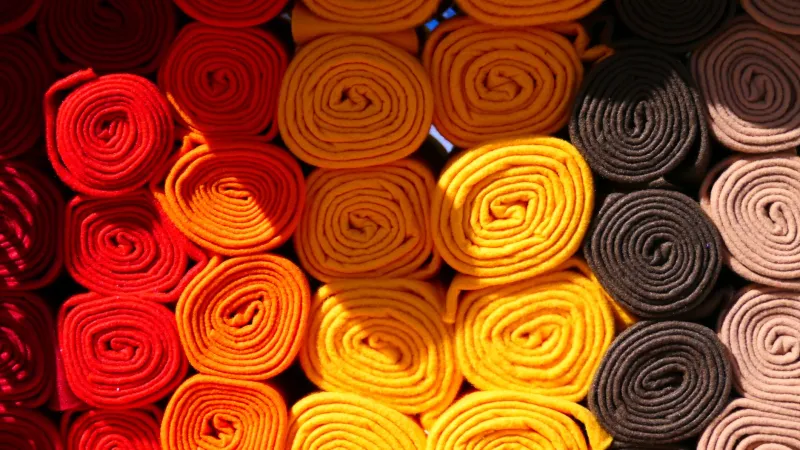
There's a moment near the end of every fitting day that nobody warns you about. The carpet is down, the gripper is hidden, the tools are packed away — and then you're standing in the hallway looking at a small mountain of leftover carpet. Odd L-shapes, long thin strips from the edges of rooms, a square from the wardrobe corner. It looks like rubbish. It isn't.
We always leave the offcuts with customers, and plenty of people politely ask us to take them away instead. That's fair enough if space is tight. But before you wave them off to the tip, have a think about what's actually in that pile. There's usually more there than you'd expect, and a few hours with a Stanley knife can turn it into things you'd otherwise be buying.
What you're actually working with
Offcuts come in wildly different sizes, and that dictates what you can do with them. A big bedroom or living room job often leaves a piece a couple of metres across — genuinely useful. Hallway and landing jobs leave long narrow runs, perfect for runners and mats. Stairs leave short, awkward rectangles that are mostly good for small jobs.
It's also worth checking the backing before you start cutting. Hessian-backed carpet behaves very differently from an action-back or a felt-back, and a bit of carpet with a thick foam backing isn't going to lie flat on a shed floor without help. Have a look at the label on the back, and if you're unsure, give us a ring and we'll tell you what you've got.
One warning first: shake the offcuts out and check for staples, gripper fragments and stray tacks before anyone kneels on them or a toddler gets curious. Fitters are careful, but a sharp bit of metal in a rolled-up remnant is a nasty surprise.
The back door mat you never got round to buying
This is the single best use for a decent-sized offcut, and it costs you nothing. Cut a rectangle for the inside of the back door, or the boot room if you're lucky enough to have one.
Cut from the back of the carpet, not the pile side, using a sharp blade and a straight edge — a steel rule or a bit of timber works fine. Change the blade halfway if it starts dragging. Then deal with the raw edges, because an unsealed cut edge on a hessian-back carpet will start shedding within a fortnight.
The tidy options are a hot glue gun run along the edge (cheap, quick, surprisingly durable), a strip of carpet edging tape, or asking us to whip the edges properly when we're next in the area. If you're putting it against a wall or under a door bar, the bar itself will hold the edge, so you can skip the finishing altogether.
Pet bedding that survives a wash
Old wool or wool-blend offcuts make genuinely decent pet beds. Fold a couple of layers, stitch or glue the edges, and slip it inside a washable cover — an old pillowcase works. It's warmer than most shop-bought beds, easy to shake out, and if the dog destroys it you've lost nothing.
A word of caution: don't use a piece that's been sitting damp in a garage or under a leaky gutter. Damp carpet can carry mould spores, and no amount of washing will make that a good idea for something your cat sleeps on.
Sheds, garages and allotment huts
An offcut can transform a cold concrete shed floor, but the British weather has opinions about this. Lay it straight onto a damp concrete slab and it'll trap moisture underneath and start to smell within a season.
The workaround is a breathable layer: a membrane, a few battens, or even a sheet of old underlay if it's clean and dry. Keep the carpet off direct ground contact, and accept that a shed carpet is a two-to-five year proposition rather than a permanent floor. For an allotment hut or a workshop bench area, that's still very good value.
Small jobs you'll be glad of later
- Car boot liner. A fitted-ish rectangle of offcut stops muddy boots and compost bags ruining the boot carpet. Trim it slightly undersized so it lifts out easily.
- Moving day. Lay offcuts pile-up in the hallway when you're shifting furniture. Cheaper than replacing a scratched floor.
- Drawer and toolbox liners. Felt-backed offcuts cut beautifully with scissors.
- Under heavy furniture. Little squares under sofa legs stop indentation marks appearing on the new carpet — swap the positions every few months.
- A spare sample. Keep a labelled square and you've got something to test cleaning products on before you risk the real thing.
Store them properly or don't bother
The reason most offcuts end up thrown out is that they get stuffed behind a boiler and come out six months later smelling of cellar. A little care now saves the whole exercise.
Roll rather than fold — folds crease the pile permanently. Roll reasonably firmly with the pile facing inwards, tie with string or cotton rather than tape, and stand the roll on its end. Clean and vacuum the pieces first, because dust and grit worked into a stored roll will grind away at the pile.
Cover with a cotton sheet or an old duvet cover, never plastic. Plastic traps condensation, and condensation is what makes stored carpet smell. Somewhere dry, dark and off the floor is ideal — on a pallet or a couple of battens in a garage works well. Wool carpet is a moth target, so a lavender bag or cedar block in the roll is a sensible precaution, and check everything every few months for damp patches or a whiff.
Label each roll with the room it came from. Two years from now you'll want to know which piece matches the landing.
Before you decide
If you'd rather keep the floor looking like the day it was fitted, ask us about having the edges of your best offcuts finished properly — a whipped edge turns a leftover into something that looks shop-bought. And if the pile in the hall is genuinely more than you can store, keep the two or three most useful pieces and let the rest go. Waste not, want not — but not at the cost of a spare room full of carpet.