Sofa-Shaped Shadows: Keeping Heavy Furniture From Leaving Its Mark
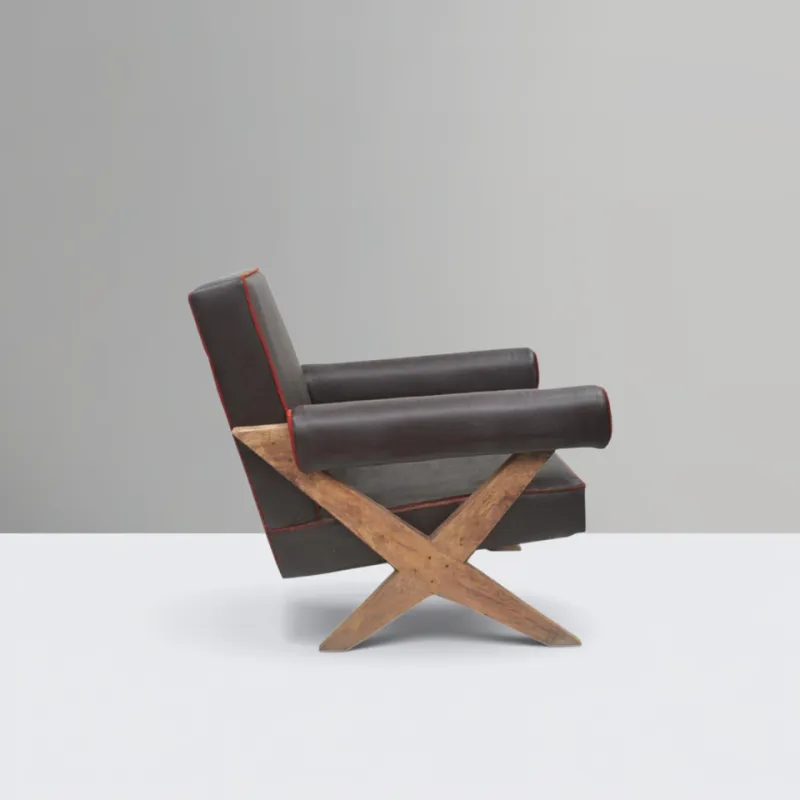
Photo: Phadzim, CC BY 4.0, via Wikimedia Commons
There is a particular moment in any new carpet's life when you move the sofa back and find a neat little map of its feet pressed into the pile. Sometimes it is four shallow dimples. Sometimes it is a long, ghostly rectangle where a wardrobe has been sitting since the day the fitters left. Either way, the carpet looks tired before it has had a chance to prove itself.
The good news is that most furniture dents are not a sign that the carpet is failing. They are a normal response to weight, heat and time. The better news is that a few sensible habits can stop those marks becoming a permanent feature of the room.
Why a carpet remembers where the sofa sat
Carpet pile is designed to be resilient, but it is not magic. When something heavy rests on the same patch of pile for months, the fibres are compressed and the backing and underlay beneath them are squeezed. Add the warmth of a room, the occasional sunlight through the window and the simple passage of time, and the fibres can settle into their squashed position.
The effect is usually more obvious in a thick, soft carpet than in a tight, low-pile one. A deep twist or a plush saxony feels glorious underfoot, but its longer fibres have further to fall when a castor wheel or a sofa leg parks on them. A dense, short-pile carpet may not feel quite so indulgent, but it tends to shrug off pressure more readily.
Underlay matters just as much. A decent underlay spreads the load and gives the carpet something supportive to sit on. A thin, worn or badly fitted underlay lets every bit of weight concentrate in one spot. If you are replacing carpet in a room with heavy furniture, it is worth thinking about the pair as a team rather than choosing the carpet in isolation.
The usual suspects in a British home
In a typical UK living room, the main offenders are fairly predictable. Three-piece suites, heavy oak coffee tables, piano legs, bed frames, book-filled shelving and the dreaded castor wheel on a mobile ottoman all put concentrated pressure on a small area. Upstairs, divan beds and large wardrobes are common culprits. In a home office, a loaded filing cabinet can leave a surprisingly deep set of footprints.
Flats and terraced houses bring their own quirks. Furniture sometimes has to be manoeuvred through narrow hallways and tight turns, so it gets dragged, shoved and parked in a hurry. Removing furniture for a carpet fitting can also create fresh dents if the pieces are put back in exactly the same place without any protection.
Prevention is mostly about spreading the load
Before you start rearranging the room, consider what is actually touching the carpet. Wide, smooth glides under sofa and chair legs are one of the simplest upgrades you can make. They increase the contact area, which reduces the pressure on any one patch of pile. Felt glides are kind to carpet, but check them regularly; grit trapped underneath can rub the fibres over time.
For pieces that move often, castor cups or wider castor housings are worth a look. A small castor wheel concentrates a lot of weight into a tiny point, which is why you often see four deep circular dents under a mobile chair. A cup or a broader wheel spreads that load and makes the piece easier to move without grinding the carpet.
Heavy wardrobes and bookcases are a different problem because they rarely move. Furniture pads or glides under the feet will help, but so will checking that the weight is evenly distributed. If a tall unit has small feet and a lot of weight inside, the carpet underneath is doing a lot of work. A thin, rigid load-spreading plate under each foot can make a real difference, provided it does not create a trip hazard or look out of place.
Helping crushed pile recover
If the dent is already there, do not panic and do not attack it with a hot iron. The internet is full of dramatic carpet restoration videos, and some of them are a fast route to a melted pile or a discoloured patch.
Start gently. Vacuum the area with a brush attachment, then use your fingers or a soft brush to tease the fibres upright. A little moisture can help some carpets relax, but check the manufacturer's guidance first. The old ice-cube trick works for some wool and synthetic mixes because the slow melting moisture and gentle swelling can lift the fibres, but it is not suitable for every carpet and it is not a miracle cure. Blot any excess water and let the area dry naturally rather than blasting it with a hairdryer.
For a stubborn dent, a light steam from a domestic garment steamer held well above the carpet can sometimes coax the pile back up. Keep the steamer moving, do not let it touch the carpet, and test on a hidden offcut first. If you are unsure, a professional carpet cleaner or fitter is a safer pair of hands than a hot kitchen implement.
Choosing carpet for a room that is furniture-heavy
If you are buying new carpet for a room where the furniture is staying put, be honest about the room's habits. A low-pile or tight-loop carpet in a dense construction is a sensible choice for a lounge with a large suite and a heavy coffee table. It will not show dents as readily as a deep plush pile, and it is easier to vacuum and maintain.
A good underlay is not an optional extra. It cushions the carpet, helps it wear evenly and makes the whole floor feel more substantial. If the room has heavy furniture, a firmer underlay can be a better match than a very soft one, because it resists compression rather than inviting it.
Carpet tiles are another option worth considering in a room where furniture is frequently moved or the layout changes. If one tile becomes badly dented or stained, it can sometimes be swapped with a less visible one. That is not a reason to choose tiles on its own, but it is a useful bonus in a busy home.
Finally, think about how the room is used. A carpet in a spare bedroom that sees a suitcase twice a year has a very different life from one in a front room where the sofa is pushed back for a Christmas tree every December. Matching the carpet to the reality of the room is far more useful than choosing on colour alone.
A small routine that pays off
Every few months, move the lighter pieces of furniture a few inches and give the carpet underneath a good vacuum. Let the pile breathe. Check the glides and castor cups for grit. If you spot a dent forming, deal with it early rather than waiting for it to become a permanent crater.
Furniture dents are one of the quieter frustrations of carpet ownership, but they are rarely a disaster. With a little forward planning and a gentle approach to recovery, your carpet can keep its good looks without asking everyone to hover six inches above the floor.