Patchwork Floors, Practical Wins: When Carpet Tiles Make More Sense Than Broadloom
Carpet tiles have a bit of an image problem. Say the words out loud and plenty of people picture a tired office corridor, a school computer room, or a civic building with fluorescent lights and a faint smell of instant coffee. That is a shame, because in the right room, a tiled carpet can be one of the most practical flooring decisions a household makes.
That does not mean carpet tiles should replace every piece of broadloom in the house. They should not. But for busy UK homes—especially those dealing with muddy boots, pets, school bags, craft glue and the general chaos of family life—it is worth knowing where tiles earn their keep and where a traditional wall-to-wall carpet still feels better underfoot.
Why tiles suit busy British homes
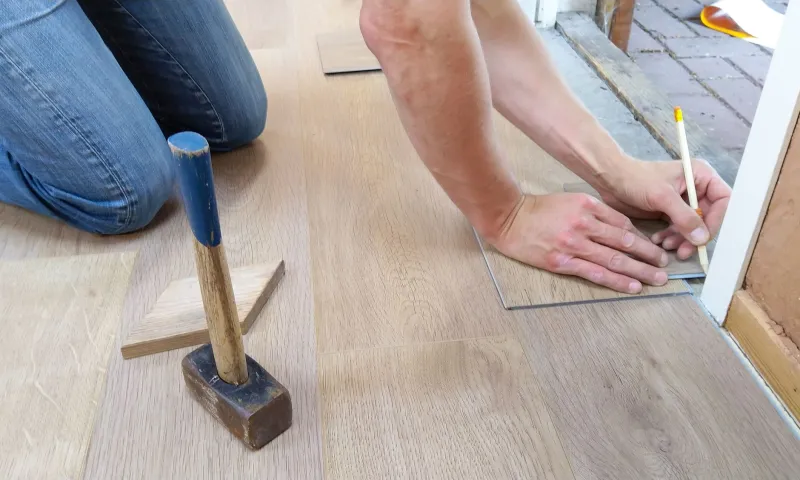
A broadloom carpet is cut from one piece. If a stain will not shift, or a section wears thin, the usual answer is a patch, a repair or a full replacement. Carpet tiles work differently. Each tile is a small square, and if one is damaged beyond saving, it can often be lifted and swapped for a spare.
The logic is simple: you replace a tile, not a room. For a hallway that takes the brunt of wet weather, or a playroom where felt-tip pens seem to migrate across the floor, that modular approach can be quietly brilliant.
Tiles are also useful in rooms that are not nice neat rectangles. British homes are full of chimney breasts, boxed-in pipes, sloping ceilings, alcoves and doorways that sit slightly off-centre. A fitter can work around these with broadloom too, of course, but tiles can make an awkward layout feel less like a compromise and more like a deliberate pattern.
Hallways: where modular flooring really earns its place
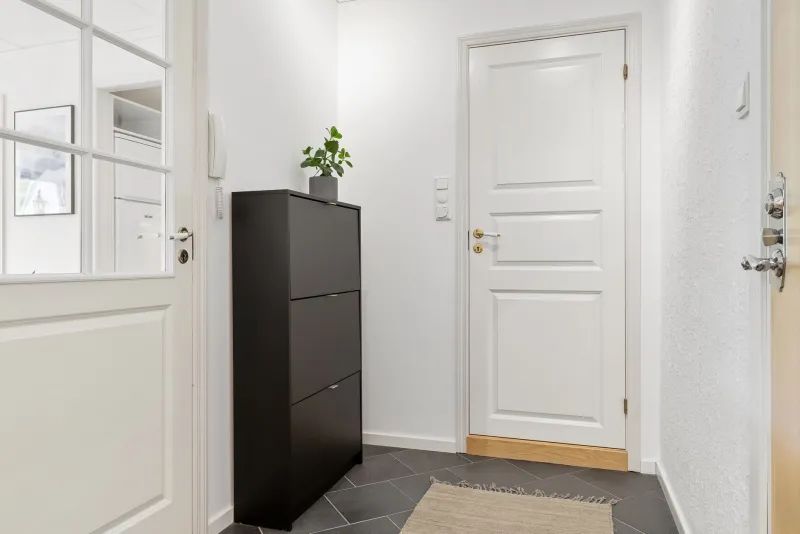
A hallway is the first test of any carpet. It takes wet shoes, grit from the pavement, pet traffic, delivery boots and the daily school run. In a Victorian terrace or a 1930s semi, it may also be narrow, dark and full of awkward corners.
Carpet tiles can work well here because the highest-traffic path can be planned for. You can keep spares, rotate tiles if needed, and replace the worst-hit sections without disturbing the whole hall. A subtle checkerboard or a tonal mix can also hide everyday marks better than a plain pale broadloom.
Where broadloom still wins in a hallway is visual warmth and a seamless finish. A good wool mix or a dense twist carpet feels more generous underfoot and looks smarter in a period home. If the hallway is more display than mudroom, broadloom may still be the better emotional choice.
Home offices and box rooms: floors that cope with odd shapes
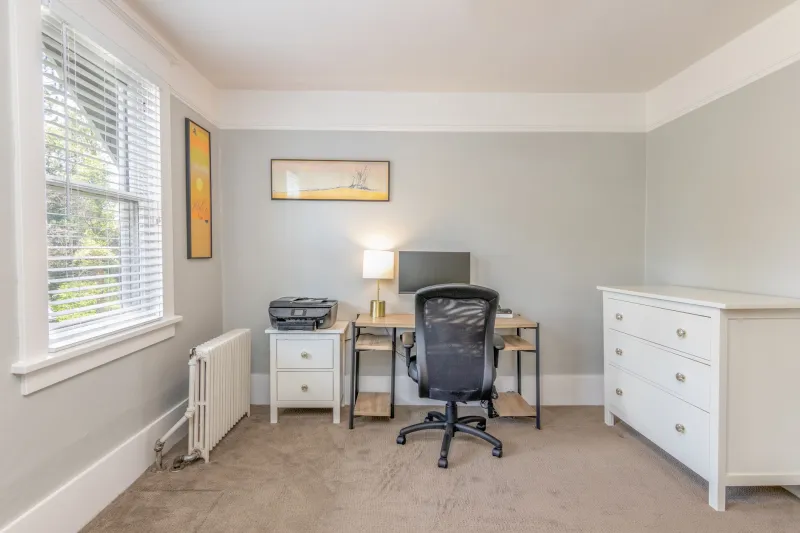
A spare bedroom turned office is rarely a perfect square. There is usually a desk jammed under a window, a printer in the corner and a tangle of cables that nobody wants to discuss. Carpet tiles make short work of this kind of room because individual tiles can be lifted around floor sockets, cable routes and odd nooks.
They are also useful under desk chairs. Castors can chew at carpet over time, and a worn patch under a wheeled chair is much easier to deal with when it is a square rather than a whole floor. If the room later returns to being a bedroom, the tiles can stay or be changed without a major upheaval.
That said, a box room used for quiet reading or as a guest bedroom may feel better with broadloom. Tiles can look a little more utilitarian, and in a small room the grid lines are more noticeable.
Playrooms and pet zones: a stain strategy, not a miracle
Carpet tiles are often sold as a practical answer to stains, but it is worth being realistic. No carpet is truly stain-proof, and tiles are not a licence to ignore spills. What tiles do offer is damage limitation. If a pet accident or a paint spill defeats the cleaning cloth, you are dealing with one square rather than a whole room.
For playrooms, that is genuinely useful. For pet-heavy homes, it is reassuring. But the tile still needs cleaning, and the backing and adhesive need to be suitable for the room. In a utility room or pet area, check that the product is intended for that kind of use rather than assuming all tiles are equal.
The honest bit: comfort, stairs and visual warmth
This is where broadloom deserves its due. A good wall-to-wall carpet feels softer, quieter and more forgiving underfoot. It gives a room a finished, cosy look that tiles rarely match, especially in bedrooms and living rooms where bare feet and film nights matter more than wipe-clean practicality.
Stairs are another area to treat with care. Carpet tiles can be used on stairs, but it is not a casual DIY job. Stair edges, nosings and fixing methods need to be right, and a poor installation can become a safety issue. For most homes, a properly fitted stair carpet or runner remains the simpler, smarter choice.
How to choose without regretting it
Start with the room, not the trend. Hallways, playrooms, pet zones and awkward home offices are natural candidates for tiles. Bedrooms, lounges and stairs usually still favour broadloom. Ask for samples, look at them in your own light, and buy a few spare tiles if you go modular. A well-chosen tile floor is not a compromise—it is just a different kind of practical.