The Nine-to-Five Floor: Choosing Carpet for a Home Office That Can Take a Beating
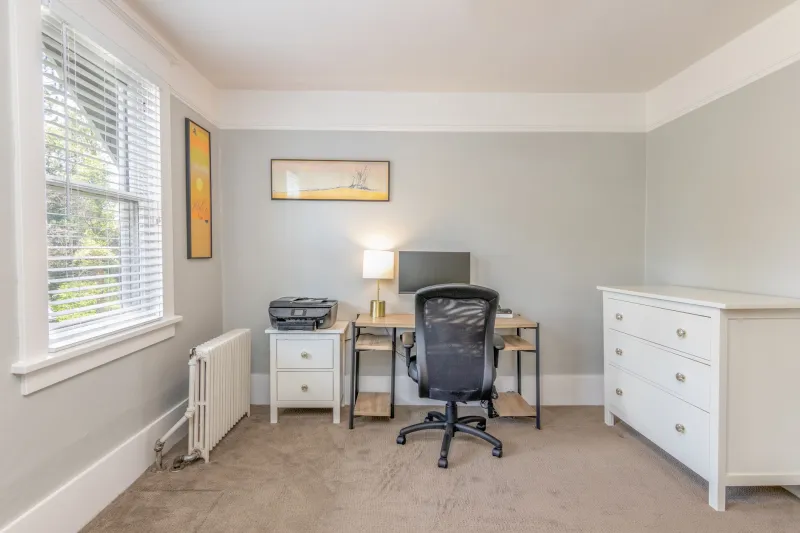
Working from home has a way of exposing a floor. The spare room that once hosted the occasional guest is now a desk, a printer, a tangle of cables and a chair that gets rolled backwards and forwards twenty times before lunch. The carpet you chose for a quiet box room may suddenly be asked to handle the sort of traffic normally reserved for a busy hallway.
That does not mean you need to rip everything up and install industrial flooring. It does mean the choice deserves a bit more thought than simply matching the landing. A home office carpet has to balance comfort, sound, appearance and the very specific abuse that comes from a wheeled chair parked in the same spot every day.
Start with the chair, not the colour
Before you fall for a swatch, think about what is actually happening in the room. Is this a full-time job with five days of chair traffic, or a couple of mornings a week? Do you have a heavy ergonomic chair on castors, a fixed four-legged chair, or one of those stools that encourages you to perch? Are you in a loft with a sloping ceiling and hard walls, or a downstairs room where noise matters less?
In smaller UK homes, the office is often the box room, the alcove, or the loft conversion. Those rooms tend to have less floor area and more concentrated wear. The chair does not roam across a vast open plan; it pivots, rolls and reverses in a patch roughly the size of a bath mat. That small area takes a lot of punishment.
Also check the door clearance before you get carried away. A thicker carpet plus a good underlay can make a door that currently glides open start to graze the pile. It is a boring detail, but it is much easier to sort out before fitting day than after.
What castors actually do to a carpet
The main issue is not usually the weight of the chair itself. It is the way castors concentrate pressure into tiny points and then drag across the surface. Over time, a soft or deep pile can flatten, felt or lose its bounce in the desk zone. Loops can snag. A cheap backing can start to look tired long before the rest of the room does.
Static is another consideration, though it is often overstated. Synthetic fibres such as nylon and polypropylene can build up static in dry conditions, and a wheeled chair moving across them can make it worse. In a typical UK home, central heating and closed windows in winter can create the right conditions for a small shock every time you touch a door handle. Anti-static treatments and sensible humidity help, but the bigger point is to choose a fibre and backing that suit the room rather than assuming any carpet will behave the same way.
Heels and hard chair legs deserve a mention too. If you have a chair without castors, or you occasionally wear heels at the desk, a very soft pile will show dents. A tighter, denser construction is more forgiving.
Loop, twist or something flatter?
A tight loop pile is hard-wearing and good at hiding the everyday marks that come with a working room. The catch is that loops and castors are not always friends. A loose loop can catch, pull or sprout, especially if the chair is heavy or the carpet is nearing the end of its life. A tight, low loop is a much safer bet than a chunky one.
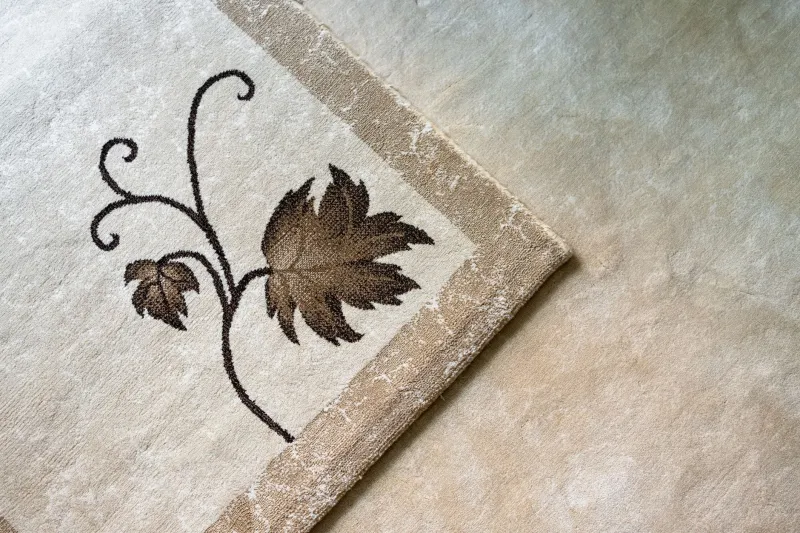
A twist pile is often the practical middle ground. The fibres are twisted and set, which gives the carpet a dense, resilient surface without the deep, sink-in softness of a saxony. A good quality twist can cope with a home office chair, particularly if you use a suitable mat under the desk. It also feels warmer and quieter than a hard floor, which matters if the room is a loft or a converted garage.
Low-pile options are the sensible choice for heavy use. They are less likely to crush, easier to clean and less dramatic when a chair wheel decides to go sideways. If you want the warmth of carpet but the room is used every day, a dense low pile is usually the least regretful decision.
Deep saxony and plush carpets look lovely in a bedroom, but they are not ideal under a busy desk chair. The pile can flatten quickly, and the marks from castors tend to linger. If you love that soft feel, keep it for the parts of the room that do not have a chair parked on them, or accept that the desk zone will need a mat and a bit of extra care.
When a chair mat or hard-floor zone earns its place
There is no shame in admitting that a chair mat is the right answer. A proper chair mat designed for carpet can spread the load, protect the pile and make the chair easier to move. Avoid the thin, spiky plastic mats that curl at the edges and crack after a winter. A well-made mat with a sensible backing is a much better long-term buy.
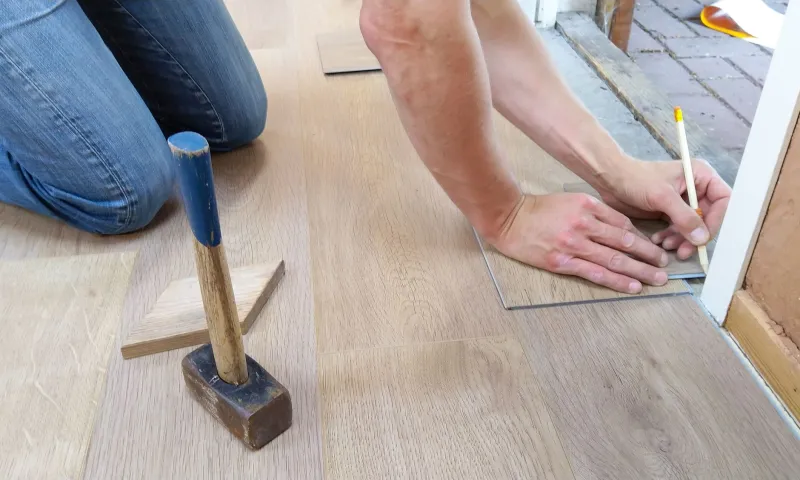
For heavier use, consider a hard-floor zone under the desk. It could be luxury vinyl tile, engineered wood or even a simple offcut bound as a mat. The carpet then handles the warmth and acoustics of the rest of the room while the desk area takes the daily grind. A threshold strip or a neat binding keeps the transition looking deliberate rather than like a DIY afterthought.
This approach works particularly well in a loft office, where you might want carpet on the main floor but a wipe-clean patch where the chair lives. It also makes sense if you occasionally wheel in a printer trolley or a filing cabinet.
Sound, warmth and the loft-office factor
Do not forget why carpet is often the right choice in the first place. A loft conversion with hard walls, Velux windows and a hard floor can be an echo chamber on a video call. Carpet and a good underlay absorb sound and make the room feel calmer. That matters more than many people expect when they are on the phone for hours.
Warmth is part of it too. A carpeted office is kinder underfoot in winter, especially in a room above a garage or at the top of the house. If you have underfloor heating, check that your chosen carpet and underlay are compatible. Most are, but it is worth confirming rather than assuming.
A ten-minute sample test worth doing
Before you commit, ask for a sample and give it a realistic audition. Put the sample on a hard, flat surface, place your desk chair on top and roll it backwards and forwards about fifty times. Rotate it as if you were turning from the keyboard to a filing cabinet. Then inspect the surface in good daylight.
Look for crushed fibres, pulled loops, flattening or a fuzzy halo where the castors have been. Try the same test with a heel or a hard chair leg pressed into the pile, then see whether the mark springs back. A small sample will not tell you everything, but it will quickly show whether a carpet is likely to bruise under concentrated pressure.
If you can, take a castor from your chair to the showroom. It sounds slightly eccentric, but it is far less eccentric than buying a beautiful carpet and watching it flatten within a month.
A sensible shopping list
- For daily use with a wheeled chair: a dense low-pile twist or tight loop, plus a quality chair mat.
- For occasional use and a softer feel: a good twist pile with a protective mat under the desk.
- For loft offices and noisy rooms: carpet with acoustic underlay, and a hard-floor or mat zone at the desk.
- For anyone who wants zero fuss: a hard floor under the desk with carpet around it, neatly finished.
The best home office carpet is not the softest one in the showroom. It is the one that still looks presentable when the working week has been long, the chair has been busy and the deadline has made you pace. Choose for the life the room actually has, and the floor will earn its keep.
If you are local to us at Richard Jones Carpets, bring your chair castor, your room measurements and a photo of the space. We would rather help you avoid a costly mistake than sell you a carpet that looks lovely until the first busy Monday.