Warm Soles, Clear Conscience: Matching Carpet to Underfloor Heating Without the Guesswork

Underfloor heating used to feel like a luxury bolted onto grand renovations. These days it turns up in ordinary UK homes — a warm bathroom floor here, a snug extension there, maybe the whole ground floor after a rear kitchen-diner project. And every time it does, someone eventually asks the same question: can I still have carpet?
The short answer is yes. The longer answer is that carpet and underfloor heating need to be introduced properly, like two neighbours who could get on brilliantly but only if nobody parks across the driveway. Get the specification right and you will have warm feet without a heating bill that makes you wince. Get it wrong and you can end up with a floor that feels lovely underfoot but stubbornly refuses to let heat through.
Why carpet and underfloor heating can be friends
Carpet has a reputation as the enemy of underfloor heating, but that is a bit unfair. A well-chosen carpet adds comfort, softens sound and holds warmth in a room once it is there. The trick is not to wrap the heating system in a duvet. Heat has to travel from the pipes or mats, through the floor covering, and into the room. If the carpet and underlay are too thick or too dense, they act like a thermal blanket, and the system has to work harder to reach the temperature you want.
Here at Richard Jones Carpets, we have seen this go both ways. A customer chooses a gorgeous deep pile because it feels wonderful in the showroom, then wonders why the kitchen extension never quite warms up. Another chooses a lower-tog loop pile with a suitable underlay and reports that the room feels balanced and comfortable. Same heating system, very different result.
The tog number is your first filter
Tog ratings are not just for duvets. Carpet and underlay are both measured in togs, and together they determine how easily heat passes through. Many underfloor heating manufacturers recommend keeping the combined tog rating of carpet plus underlay to around 2.5 tog or lower. Some systems are more forgiving, some are stricter, so always check the handbook or ask the system installer before you fall in love with a particular carpet.
As a rough guide, look for a carpet in the region of 1.0 to 1.5 tog and an underlay around 0.5 to 0.8 tog. That puts you in a sensible combined range without cutting corners on comfort. Very thick wool twists, deep shag piles and high-density foam underlays are usually best avoided over underfloor heating unless the manufacturer specifically says they are suitable. It is not about banning lovely carpets — it is about matching the carpet to the job.
Heat has to travel: density, backing and the feel factor
Tog is the headline figure, but the construction matters too. A carpet with a dense, tight backing can slow heat transfer more than a similar tog rating might suggest. Felt-backed carpets are popular because they feel substantial, but some are simply too insulating for underfloor heating. Action-backed and some woven backed carpets can perform better, provided the tog rating is within spec.
Pile type also changes the feel. A low loop pile or a cut-pile twist tends to let heat through more readily than a deep, spongy saxony. That does not mean you have to live with a carpet that feels like a office corridor. There are plenty of soft, warm-feeling options that still play nicely with underfloor heating. The key is to judge the carpet as part of a system, not on its own.
Warranty small print: what voids cover
This is the part people skim, and it is the part that can cost money later. Carpet warranties and underlay warranties often include conditions about underfloor heating. Some specify a maximum tog rating. Some require a particular type of underlay. Some state that the heating must be commissioned and run according to the manufacturer's instructions before the carpet is fitted. If you ignore those conditions, you may find that a claim for delamination, shrinkage or backing damage is declined.
Ask for the warranty terms in writing before fitting day. Keep the carpet and underlay specification, the fitting receipt and any underfloor heating documentation together. If a retailer or fitter cannot tell you the tog rating of the carpet and underlay they are proposing, that is your cue to slow down. A good supplier should be able to put the numbers in front of you without drama.
Room-by-room: where it works and where to pause
Living rooms and bedrooms are the natural sweet spot. These are rooms where you want softness underfoot, and the heating does not need to be cranked up to tropical levels. A medium-tog carpet with a low-tog underlay can work beautifully, especially if the room is well insulated and the heating is zoned sensibly.
Hallways and stairs are usually fine too, provided the carpet is durable and the tog rating is sensible. The traffic is heavier, so look for a hard-wearing twist or loop rather than something delicate. Do not let the underfloor heating question push you into a carpet that will flatten in a year because it was never designed for daily abuse.
Bathrooms and en-suites deserve a pause. Carpet can feel luxurious in a bathroom, and some people love it, but moisture, splashes and underfloor heating are a tricky combination. If you go ahead, choose a carpet specifically rated for bathrooms, deal with ventilation properly and accept that it will need more care than a tile or vinyl floor. Kitchens are similar: a small carpeted area can work, but food spills and frequent cleaning make hard flooring a more practical default.
Underlay: the quiet hero or the heat trap
Underlay is where many underfloor heating plans quietly fall apart. A thick, plush underlay feels wonderful, but it can insulate the heating system so effectively that the carpet above never gets properly warm. Look for an underlay designed for underfloor heating, with a low tog rating and good compression recovery. Do not simply choose the thickest underlay on the shelf because it feels nice in the shop.
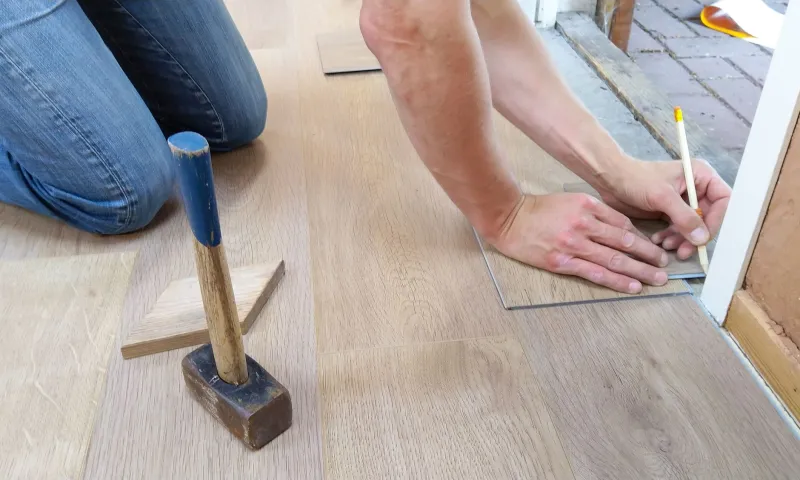
Also think about the fitting method. Grippers, thresholds and door clearances all need to be checked with the extra depth of carpet and underlay in mind. A carpet that is perfect on paper can still cause problems if the door drags or the heating mat is damaged during fitting. A experienced fitter will know to treat underfloor heating with respect and avoid puncturing mats or cables.
A simple checklist before you buy
First, find out the maximum combined tog rating your underfloor heating manufacturer recommends. Second, choose a carpet and underlay that sit comfortably within that figure. Third, confirm the warranty conditions for both products. Fourth, check the room's use — a busy hallway needs durability as well as heat transfer. Fifth, make sure the heating system is commissioned and tested before the carpet goes down.
Carpet and underfloor heating are not a mismatch. They are a pairing that rewards a bit of homework. If you are local to us and want to talk through samples, tog ratings and underlay options, Richard Jones Carpets is always happy to help you weigh up the practicalities before you commit. Warm feet and a clear head are entirely possible — you just need the right combination underfoot.