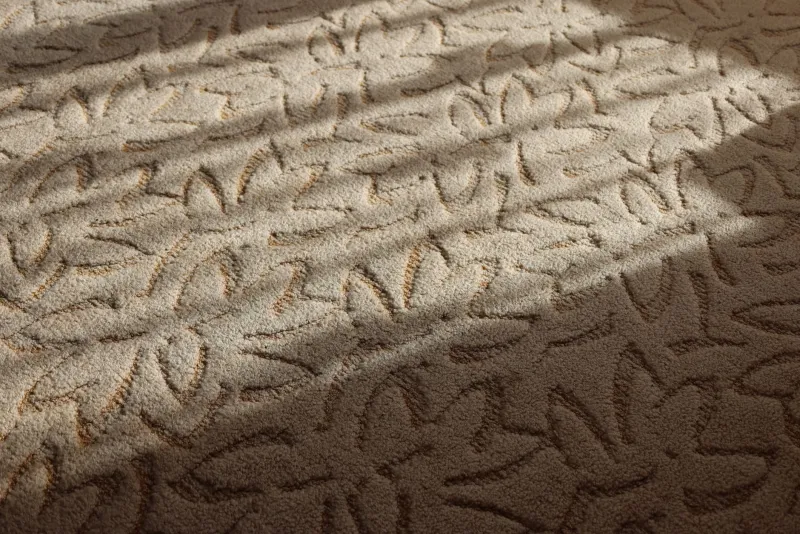
The First Step Is the Hardest: Making Your Hallway Carpet Earn Its Keep
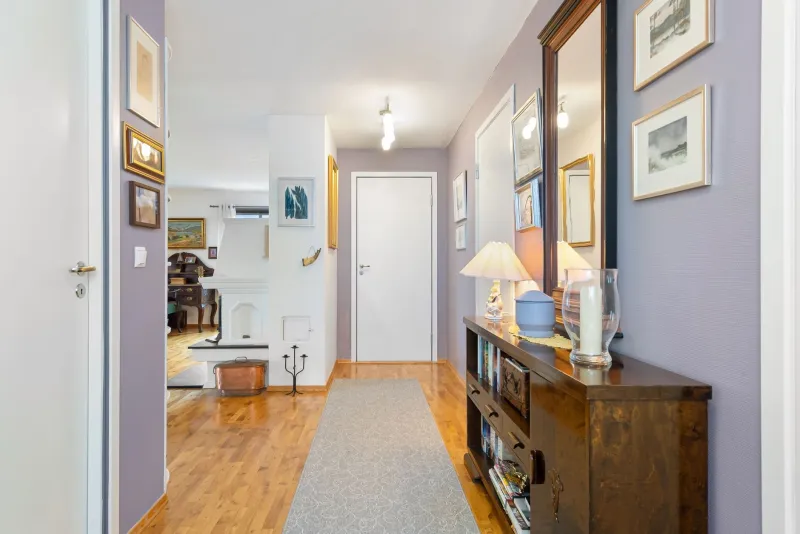
Walk into most UK homes and the first thing your feet meet is not the sofa, the rug or the carefully chosen paint colour. It is the hallway carpet. Or, if you are still deciding, the hallway carpet you are about to choose. It is the hardest-working two metres in the house, and it is usually the last thing anyone thinks about until it starts looking tired.
At Richard Jones Carpets, we have seen plenty of lovely carpets that were perfect in the showroom and disappointing by the front door. Not because the carpet was bad, but because the hallway asked more of it than the rest of the house ever would. This is the practical version of the hallway test: what to look at before you buy, and what to get right on fitting day.
The first two metres are a demolition zone
Think about what crosses your threshold in a normal week. Wet pavement grit, road salt in winter, bits of gravel from the drive, mud from the park, pet paws, wheelie bin wheels, shopping bags, the postie's boots and the family's own shoes. Every one of those brings a little abrasive material in. Grit does not just sit on top of a carpet; it works its way down into the pile and acts like sandpaper under every footstep.
That is why a carpet that feels wonderful in a bedroom can look flattened and grubby in a hall within months. The first two metres take more traffic than the rest of the room put together, and often more than some bedrooms take in a year.
Stop grit at the door, not halfway down the hall
The best hallway carpet in the world cannot cope with an open door and no mat. A proper barrier mat outside and a dirt-trapping mat inside will do more for carpet life than an extra litre of cleaning solution. Aim for at least three or four steps of matting before the carpet starts. In a narrow Victorian terrace that can be tricky, so use the deepest mat that will fit without catching the door.
One recent customer had a beautiful pale wool twist fitted right up to the front door. It looked superb for about six weeks. Then the winter rain arrived, the family stopped taking boots off in the porch, and the first metre turned into a grey track. We cleaned it, but the lesson was clear: the mat is not a decorative extra. It is part of the flooring system.
The door clearance question
Hallway carpets fail at doors more often than people expect. Add carpet, underlay and a threshold bar and a door that cleared the old floor may suddenly be shaving the new pile every time it opens. Fire doors need special care: you cannot simply plane them down without checking the gap and the door's rating.
Before fitting, clear the door. Measure the gap under the door, allow for the carpet and underlay, and decide whether the door needs adjusting, the threshold needs changing or a thinner underlay is the sensible answer. A good fitter will raise this before the carpet is cut, not after. If your heart is set on a thick, deep pile for the hall, be prepared for door adjustments or choose a lower-profile carpet instead. In a hallway, a tight, dense pile usually looks smarter for longer anyway.
Thresholds, trims and the hidden fitting details
The threshold is the handshake between two floors. It needs to be neat, secure and low enough not to trip anyone. A cheap door bar that stands proud can catch shoes and vacuum cleaners; a poorly fixed trim can work loose and fray the carpet edge.
Also ask about the subfloor. Concrete floors can hold moisture, old floorboards can be uneven, and gripper that has been down for years may be past its best. A proper fitter will check the surface, replace worn gripper and make sure the carpet is stretched correctly. A loose hallway carpet will ripple at the door and wear at the edges long before its time.
Fibre choice: softness is not the only test
A hallway is not the place for the softest, deepest carpet in the shop unless you are prepared for high maintenance. Look for a dense, low-to-medium pile with a tight twist. Wool is excellent for halls when it is properly constructed: it is naturally resilient and holds colour well. Good synthetic options, including nylon and polypropylene, are practical for busy homes and can be easier to spot-clean.
The underlay matters too. A firm, supportive underlay helps the carpet keep its shape and adds a little cushioning underfoot. Too soft an underlay in a hall can make the carpet feel lovely but wear unevenly.
The verdict
A new carpet is worth it when the first two metres are planned, not just admired. Get the matting right, check the doors, sort the threshold and choose a fibre that can take real life. Then the hallway stops being the bit you apologise for and becomes the quiet proof that the whole job was done properly.