Fresh Pile, Strange Pong: A Level-Headed Guide to New Carpet Smells

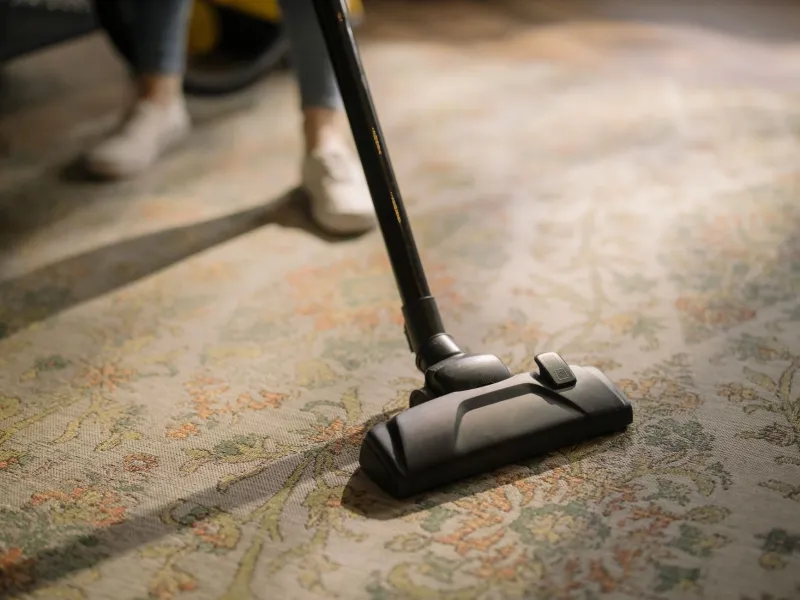
Photo: newly fitted beige carpet in bright UK living room with open window and soft daylight, via thumbs.dreamstime.com
There is a moment after the fitters have gone when you shut the front door and the house smells different. Not bad exactly, but new. It is the smell of fresh pile, new backing and a room that has just had a makeover. Some people love it. Others start opening windows and wondering whether something is wrong. Usually, nothing is.
Why a new carpet has a smell at all
A carpet is not just a surface. It is yarn, backing, latex or other binders, dyes, treatments and, in many cases, an underlay beneath it. All of those materials are manufactured, wrapped and stored before they arrive at your door. When they are unrolled and fitted, they release small amounts of volatile organic compounds, often shortened to VOCs. That is the technical name for the stuff that makes the 'new carpet smell'.
It is worth saying plainly: at the levels found in a normal domestic carpet, this is not generally considered a health concern. It is a settling-in smell, not a warning siren. Wool carpets can have a slightly natural, lanolin-like whiff, while synthetic carpets and foam underlays often smell more plasticky or rubbery. Adhesives used for gripper, stair work or certain fittings can add their own note too.
The normal timeline, and why cold weather stretches it
For most homes, the smell is strongest in the first 24 to 72 hours and fades noticeably over the first week. Some rooms take a fortnight to smell completely neutral, especially if the windows have stayed shut. In November, when nobody wants to leave the house open to the drizzle, it can feel as though the pong has moved in for Christmas. That does not mean the carpet is faulty. It usually means the air has not had a chance to move.
Warmer rooms and good airflow speed things along. Cold, sealed rooms slow the process down. If the carpet has been fitted over a new underlay, or if several rooms have been done at once, expect the smell to be a little more noticeable simply because there is more new material in the house.
A sensible airing plan for British weather
You do not need to turn the heating off and sit in a draught. A practical routine is enough.
- Remove all packaging, offcuts and plastic wrapping promptly. Do not leave them bundled in a corner.
- Open windows in short bursts when the weather allows. Ten to fifteen minutes with a through-draught can do more than leaving one window ajar all day in the rain.
- Use extractor fans in the kitchen and bathroom, and open internal doors so air can move around the house.
- Keep vents and air bricks clear. A blocked vent is a quiet enemy of decent airflow.
- If a room is particularly whiffy, a simple floor fan on a low setting can help move the air without blasting the carpet.
- Avoid masking the smell with heavy air fresheners or candles. You want the room to air, not to smell like a pine forest hiding a rubber backing.
Resist the urge to shampoo or wet-clean a newly fitted carpet. It does not need it, and adding moisture before the carpet has settled is not helpful. A gentle vacuum after fitting is usually fine, but follow any specific advice from your fitter.
The first week: keep it calm and keep it aired
New carpet is not fragile, but it is still settling. Keep the room ventilated, wipe up any spills promptly and avoid dragging heavy furniture across the pile while it is still fresh. If children or pets are in the house, supervise the first few days and keep them out of the newly fitted room while it is being aired if the smell is strong.
Sensitive noses, asthma and allergies deserve a bit of extra thought. The smell is usually mild, but if someone in the household is particularly reactive to synthetic odours, air the room well and keep it unoccupied until the worst has passed. Babies and small children do not need a special scientific protocol, just sensible ventilation and a bit of patience. Pets often have a good sniff and then lose interest, but keep them off damp or newly fitted areas until everything is dry and settled.
When it is worth picking up the phone
Most new carpet smells are temporary house guests. Some are not. Get in touch with your fitter or the manufacturer if:
- a strong chemical or solvent smell is still obvious after two weeks;
- the smell causes headaches, dizziness, eye irritation or throat irritation that clears when you leave the room;
- you notice a musty, damp or wet-dog smell rather than a new-material smell;
- the odour seems to come from the underlay or adhesive rather than the carpet itself;
- there is any sign of damp, staining or patchy discolouration.
A musty smell can point to moisture, which is a different issue from new carpet off-gassing and should be checked rather than aired away. A sharp, persistent chemical smell that does not fade is also worth flagging. Trust your nose, but give it a fair week or two first.
The takeaway
That new carpet smell is usually just the scent of fresh materials finding their feet. Air the rooms, keep the packaging out of the way, do not drown it in plug-ins, and let time do most of the work. If something smells genuinely wrong rather than simply new, say so. A good fitter would always rather answer a question than have you quietly worrying about your floor.