The Trend Half-Life: Choosing Carpet That Still Works When the Fashion Has Moved On

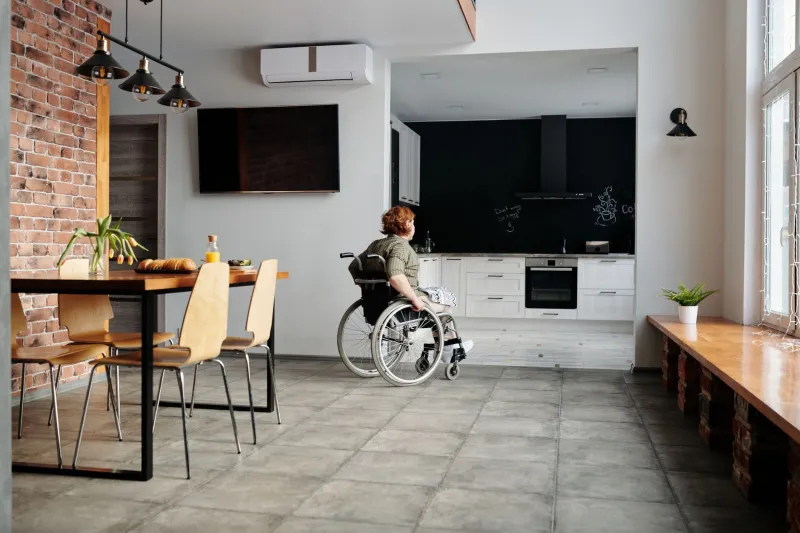
Photo: warm neutral wool carpet in sunlit British living room interior, via www.color-meanings.com
Carpet is one of the few purchases in a home that you have to live with every single day, and usually for a decade or more. Curtains can be changed. Cushions can be swapped. A sofa can be moved to another room when you fancy a change. A fitted carpet, though, is a commitment. It is measured, cut, stretched and pinned down, and once it is in, it tends to stay in until the next big job comes along.
That is why the most useful question to ask in a carpet showroom is not simply whether you like a sample today. It is whether you will still like it in five years, when the paint has been refreshed, the furniture has moved around and the trend that felt so fresh has quietly slipped out of fashion. At Richard Jones Carpets, we would rather help you buy once and buy well than sell you something that looks brilliant on a Tuesday afternoon and feels dated by the following spring.
The difference between a trend and a floor
Interior trends move quickly. Social media speeds them up further. A colour palette can dominate for eighteen months and then feel suddenly tired. Carpet, by contrast, has a realistic lifespan of somewhere between five and fifteen years depending on fibre, pile, underlay and the amount of traffic it has to cope with. The maths is simple: if the trend lasts two years and the carpet lasts twelve, you are living with a mismatch for a decade.
That does not mean you should choose something deliberately dull. It means you should separate the things that genuinely make a room feel good from the things that are simply current. A warm, mid-tone neutral in a sensible twist pile may not stop anyone in their tracks, but it will quietly work with almost anything you do to the room later. A strong geometric pattern in a trendy colour can be wonderful, but it is a louder commitment. It needs to earn its place.
Colour that keeps its nerve
Warm neutrals have a longer half-life than most. Oatmeal, soft taupe, gentle stone and muted greige tend to sit comfortably beside painted walls, wooden furniture and the sort of rugs and throws that come and go over the years. They also hide everyday marks better than very pale shades and do not show dust quite as readily as near-black. The key is to test the sample in the room itself, ideally in daylight and again in the evening under the lamps you actually use. A colour that looks calm in the shop can turn chilly in a north-facing lounge, or muddy under a warm bulb.
Bold pattern has its place. It can make a small room feel intentional, add character to a landing or turn a plain hallway into something with a bit of personality. But before you commit, ask yourself where the pattern will be in five years. Will it clash with the next kitchen or the new wall colour? Is it so distinctive that replacing one damaged section later will be impossible? A pattern that reads as a background texture is more forgiving than one that shouts a particular decade.
Fibre and pile: the practical half of the decision
Style gets the attention, but fibre and construction decide how the carpet actually lives. Wool is hard to beat for resilience, warmth and the way it holds colour, and a good wool twist will often outlast a cheaper synthetic by a comfortable margin. Synthetic carpets have improved enormously and can be a sensible choice for busy family homes, especially where stain resistance matters. The important thing is to match the fibre to the room rather than choosing on price alone.
A tight twist pile is a good all-rounder for hallways, stairs and living rooms because it tends to resist flattening and is easy to clean. A softer, deeper pile feels lovely underfoot in a bedroom but may not thank you in a hallway with school shoes and dog leads. Loop piles are durable but need care if you have claws or anything that can snag. None of these choices is wrong in itself. The mistake is putting a delicate carpet where the daily routine will punish it.
Room use is the real trend forecast
A carpet that works in a spare bedroom is not automatically right for a through-lounge. Think about who uses the room, how often, and what comes in on their feet. A hallway takes the first hit from the British weather, so it needs something that can be hoovered without fuss and cleaned without panic. Stairs need a carpet that will not ruck or flatten too quickly. A home office needs to cope with a chair that rolls back and forth. A lounge with a dog and two children needs a different calculation from a formal room that is used at Christmas and not much else.
It is also worth considering underlay properly. A good underlay improves how a carpet feels, how long it lasts and how quiet the room is. Skimping on the layer underneath is a false economy, even if the carpet on top is lovely. If you are weighing up a slightly better carpet against a slightly better underlay, have that conversation openly with your fitter.
The five-year test
Before you say yes to a sample, run a simple mental check. Can you imagine it still working if the walls change colour? Does it suit the light in the room at eight in the morning and at eight in the evening? Could you live with the pattern if it were the only strong thing in the room? Is it practical enough for the way your household actually behaves, rather than the way you wish it behaved? And if one patch gets damaged, will it be repairable or will the whole room need replacing?
A carpet that survives the trend is rarely the most dramatic option in the showroom. It is usually the one that fits the room, suits the traffic and leaves you room to change your mind about everything else. That is not boring. That is good buying. And it is the sort of choice you are still pleased with when the next trend arrives, has its moment and moves on without taking your floor with it.