The Ten-Year Tally: What a Rock-Bottom Carpet Price Leaves Out
Walk into many carpet shops and the first number you see is the price per square metre. It might be £6, it might be £9, and it might sound like the whole story. It is not. That figure is the opening line of the bill, not the final total, and it says very little about how the carpet will look in year seven when the family has tramped over it a few thousand times.
None of this means cheap carpet is automatically bad. A low-cost roll can be perfectly sensible in a spare bedroom, a holiday let that gets three weeks of use a year, or a short-term rental where the priority is getting the place looking tidy. The trick is knowing which rooms can take a bargain and which ones will quietly punish you for it.
The sticker price is the first line, not the last
A carpet is not really one product. It is a small system: the carpet itself, the underlay, the gripper rods, the door bars, the fitting, the uplift of the old floor, and the trip to the tip. A cheap carpet can also drag up the cost of the bits around it if the backing is thin or the pile is so sparse that it needs a better underlay just to feel decent underfoot.
That is why comparing two carpets by price per square metre is a bit like comparing two cars by the price of the tyres. Useful, but not the whole picture. The fairer comparison is cost per year of service, and that means asking how long the thing will realistically last in the room you have in mind.
A hallway, a decade, and two very different receipts
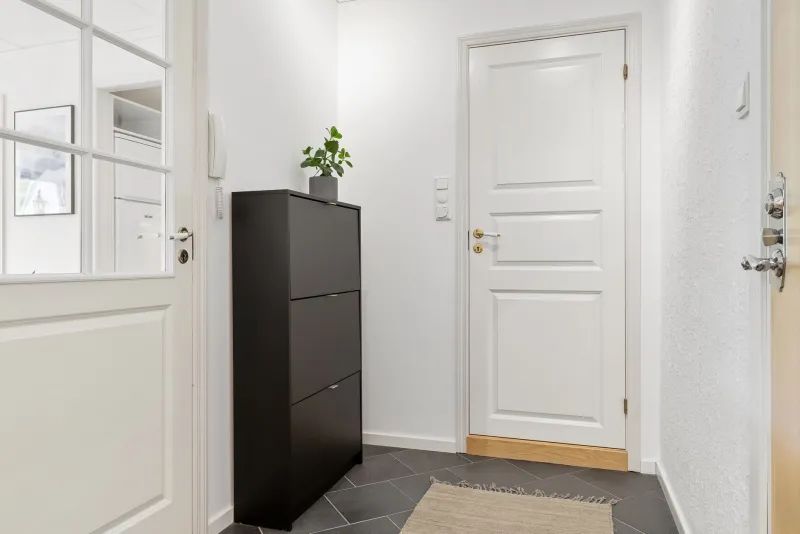
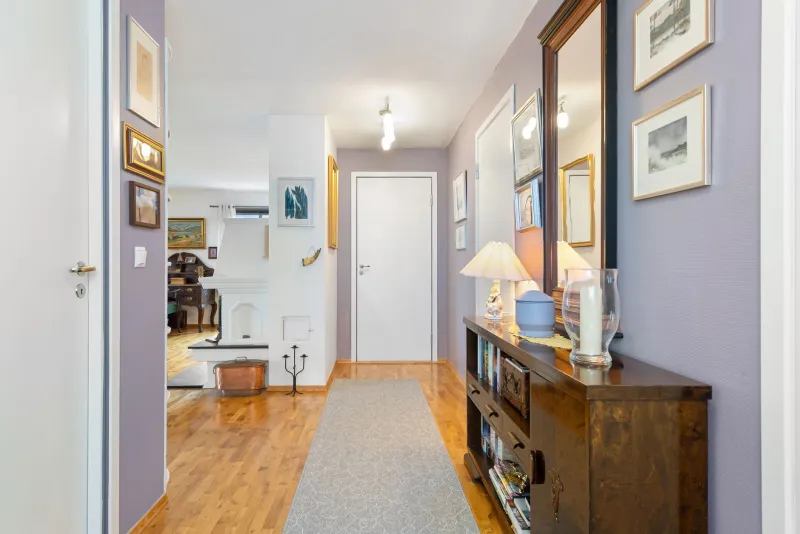
Let us take a typical UK hallway of about 7m². Add 10% for waste and you are buying roughly 8m². The figures below are illustrative rather than a quote, because fitting charges and underlay prices vary around the country, but they show the shape of the maths.
The £6/m² option: carpet £48, basic underlay £24, fitting £60, gripper and door bar £25, uplift and disposal £30. Total around £187. In a busy hallway with coats, shoes, prams and a dog, a carpet like this might look tired in three to four years. Over ten years that could mean three fits: roughly £560, plus three rounds of moving furniture, emptying the hall cupboard and living with the smell of new underlay.
The mid-range option at around £14/m²: carpet £112, better underlay £48, fitting £60, gripper and door bar £25, uplift and disposal £30. Total around £275. With a sensible underlay and a bit of care, that sort of carpet has a fair chance of seeing out eight to ten years in a hallway, maybe longer if the household is gentle. Even allowing for one replacement near the end of the decade, you are not far off the cheap option in cash, and you have spent far less time living through fitting day.
The point is not that the mid-range carpet is always the hero. It is that the £6 label hides the second and third purchase. If the cheap carpet lasts four years, you are not buying one carpet over a decade. You are buying two and a half.
Why cheap carpet tends to fail in busy spots
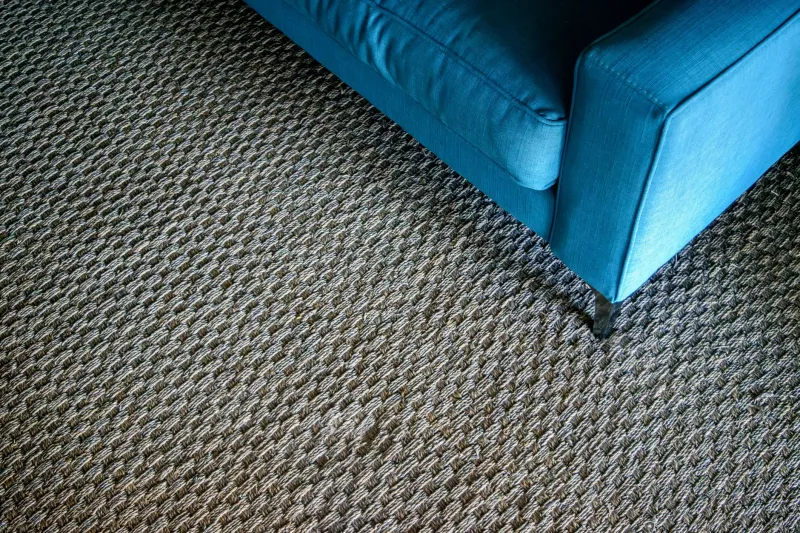
Cheap carpet usually saves money in a few predictable places. The pile weight is lower, so there is less fibre between your feet and the backing. The twist can be looser, which means the tufts flatten and untwist faster in a traffic lane. The backing may be thinner, and on stairs or at doorways it can start to delaminate or fray sooner. None of that matters much in a room nobody walks through. In a hallway, it matters a lot.
Underlay is the other quiet culprit. A very cheap underlay can crush down quickly, and once it has lost its bounce the carpet above it feels flat and wears faster. You do not need the thickest underlay in the shop, but you do need one that suits the carpet and the room. Saving £20 on underlay and then replacing the carpet two years early is not a saving.
The underlay is not the place to shave the last few pounds
People often fixate on the carpet and treat underlay as an afterthought. In practice, underlay does a lot of the work: it cushions footsteps, helps the carpet keep its shape, takes some of the strain off the backing and makes the whole floor feel more substantial. A mid-priced carpet on decent underlay will usually outperform a slightly better carpet on a squashed, paper-thin underlay.
Ask what underlay is included in the quote, and ask what it is made from and what it is rated for. If the answer is vague, that is worth noticing. You do not need a chemistry lesson, but you should know whether you are getting something designed for a busy hallway or something better suited to a box room.
A retailer’s checklist for spotting a false economy
- Ask for the installed cost, not the carpet cost. Get carpet, underlay, gripper, door bars, fitting, uplift and disposal in one figure so you can compare like with like.
- Ask for an honest lifespan for your room. A carpet that is fine in a spare bedroom may be a poor bet in a hallway with four pairs of shoes hitting it every morning.
- Look at pile weight and backing, not just the colour. A heavy, tight pile is not automatically right, but a very light, loose one needs a quiet room to survive.
- Check the warranty small print. Some warranties exclude stairs, heavy traffic or certain underlays. A ten-year guarantee is not much use if your hallway is excluded.
- Ask what fitting includes. Moving furniture, removing old carpet, replacing gripper and fitting door bars can all change the total.
- Compare cost per year, not just cost per metre. A £300 floor that lasts three years costs £100 a year. A £500 floor that lasts ten costs £50 a year.
- Take a sample home. A cheap carpet can look remarkably good under shop lights. Put it on your floor, next to your skirting, in daylight and at night.
- Be suspicious of a quote that is much cheaper than the others. Sometimes it is a genuine clearance bargain. Sometimes it is thinner underlay, a shorter roll or fitting that has been trimmed to the bone.
When a cheap carpet is genuinely the right call
We are not going to pretend every home needs the most expensive carpet in the showroom. If you are tarting up a spare room before a house sale, fitting out a low-traffic rental, or covering a floor for a year or two while you save for something better, a cheaper carpet can be a sensible, practical choice. The mistake is putting that same carpet in the busiest four square metres of the house and expecting it to behave like a heavyweight.
Horses for courses, as they say. A bargain in the right room is a bargain. A bargain in the wrong room is a subscription.
The question to ask before you pay
If you remember one thing, make it this: ask the person selling you the carpet what they would put in their own hallway at that price, and why. A good answer will mention traffic, underlay, backing and lifespan. A poor answer will mention the discount and nothing else.
A cheap carpet is not a con. It is just a different length of service. The real price is the one you pay over ten years, not the one on the little swinging label.